




The Real Question Behind Every E-Bike Purchase
The short answer is this: riders choose an e-bike like Flow when they want something that can handle daily miles, survive a full work week without needing a charge every night, and still feel steady on cracked pavement, painted bike lanes, and the occasional pothole. That's really what most commuters are asking, even if they phrase it differently. They're not usually chasing the fastest top speed. They want a ride that fits into a normal day without becoming a hassle.
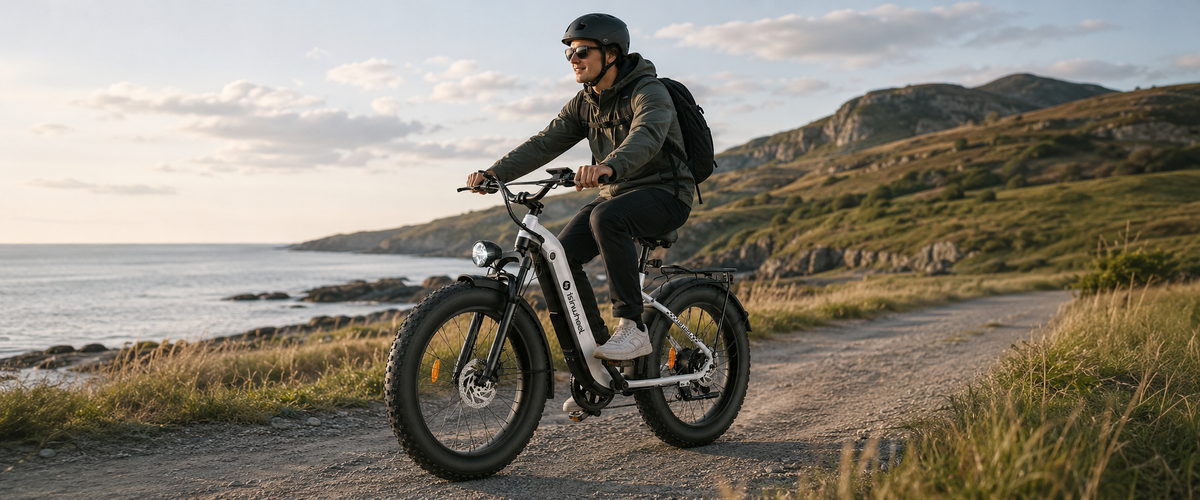
Flow was built around that kind of use. It's not a dirt bike and it's not trying to be one it's made for pavement, bike paths, and the stretch between home, work, and everywhere in between.

What Kind of Rider Is Flow Built For?
Flow tends to make the most sense for people replacing short car trips or long walks with something faster and less tiring. Think grocery runs, commuting a few miles to the office, or getting across town without dealing with parking. It's built with a step-through frame and a more upright riding position, which matters more than people expect once they're riding daily instead of just on weekends.
If your trips are mostly urban stop-and-go traffic, curb cuts, uneven bike lanes comfort and stability end up mattering more than raw power.
Range and Battery: What City Commuters Actually Need
On paper, Flow is rated for up to 60 miles per charge, with a peak output around 4000W. In real-world riding, actual range depends on rider weight, terrain, and how much you lean on throttle versus pedal assist. Most commuters use less than half the rated range on a typical day, which leaves a comfortable buffer for detours or an unplanned errand.
Charging and Daily Use
A realistic way to think about range: if your round-trip commute is under 15 miles, you're not charging every single night. That matters for apartment dwellers or anyone without easy garage access fewer charging cycles means less wear on the battery over time and less friction in your routine.
Speed, Power, and Comfort on Everyday Streets
Flow's top speed sits around 35 mph, which is more than enough for most city speed limits and bike lane traffic. The 15x3" fat tires help absorb rougher pavement, which is a bigger deal than it sounds a lot of rider complaints about e-bikes come down to harsh rides on bad roads, not motor power.
If you're weighing an e-bike against other electric commuting options, it's worth reading our breakdown of commuter vs. high-performance electric scooters a lot of the same logic about speed, comfort, and daily practicality applies whether you're comparing bikes or scooters.
Flow vs. Other isinwheel Rides
It helps to see Flow next to other models to understand where it fits. The isinwheel R6 Mini is smaller and more affordable, with a shorter 32-mile range and a 32 mph top speed a reasonable option for shorter trips or a lighter-weight rider. On the opposite end, the isinwheel Monster is built for off-road riding and higher load capacity, which makes sense for trails but is more bike than most commuters need for pavement.
Flow sits in between: enough range and power for real commuting, without the bulk of an off-road build. If you're still deciding what matters most for your riding style, our guide on switching from a car to an electric scooter walks through a similar decision process that applies to e-bikes too.
Maintenance and Practical Ownership
E-bikes generally need less upkeep than a car and less than most people assume. Regular checks tire pressure, brake pads, battery contacts go a long way. Riders switching from gas-powered transportation often notice the drop in maintenance almost immediately, since there's no oil, no fuel system, and far fewer moving parts to fail.
Is Flow the Right Fit for Your Commute?
Flow isn't trying to be everything. It's built for people who ride often, care about comfort on rough streets, and want a battery that can realistically get them through a work week without babysitting a charger. If your daily riding looks more like errands and commuting than trail exploring, it lines up well with that kind of use. If you need serious off-road capability or maximum load capacity, a model like Monster is worth a closer look instead.
The bigger takeaway: the "right" e-bike usually comes down to matching range, comfort, and power to how you actually ride not chasing the highest specs on a page.

What E-Bike Riders Want to Know
How far can Flow go on one charge?
Flow is rated for up to 60 miles per charge, though real-world range depends on rider weight and terrain.
Is Flow good for daily commuting?
Yes its range, comfort-focused frame, and fat tires are built with everyday street riding in mind.
Do I need experience to ride an e-bike like Flow?
No prior experience is required, since the throttle and pedal-assist controls are simple to learn.
How does Flow compare to a dirt bike model like Monster?
Flow is built for pavement and commuting, while Monster is designed for off-road trails and higher load capacity.
Is an e-bike expensive to maintain?
No e-bikes typically need far less maintenance than gas-powered vehicles, with no oil changes or fuel systems involved.
Share:
How isinwheel Could Fit Into the Rise of Urban Adventure Sports
How iSinwheel Sports Electric Dirt Bikes Are Redefining Off-Road Adventure