






Riding Into Recovery: What Athletes Are Discovering About E-Bikes
Can an e-bike actually help an athlete perform better? The short answer is yes, when it's used the right way. E-bikes won't replace strength training or sport-specific practice, but they can fill a gap that a lot of training plans miss: an easy, low-impact way to move the body before a workout, after a hard session, or on a day when joints need a break. That's where a brand like isinwheel enters the conversation, not as a replacement for training, but as a supporting tool.
This idea isn't new. Cyclists have used easy spins for active recovery for decades. What's changed is that e-bikes make that kind of movement accessible to athletes outside of cycling runners, lifters, soccer players, and weekend warriors who want the benefits of light cardio without the fatigue of a hard ride.
Why Athletes Are Adding E-Bikes to Their Routines
Traditional cross-training tools like stationary bikes or elliptical machines work, but they're limited to a gym or a garage. An e-bike lets an athlete get the same low-impact movement outdoors, with pedal-assist support that keeps effort manageable. This matters because the goal on a recovery or warm-up day isn't to push hard. It's to move blood, loosen muscles, and avoid the pounding that running or jumping can add to already tired joints.
Low Effort, Real Benefit
Pedal-assist e-bikes let the rider control how much work their legs actually do. That's useful for athletes managing training load, since they can dial in a gentle pace that raises heart rate slightly without draining energy needed for the main event.
Using an E-Bike as a Warm-Up Tool
A good warm-up raises core temperature and gets blood flowing to the muscles that are about to be used. A short, easy e-bike ride can do exactly that, especially before outdoor training sessions where a jog to the field or track adds unnecessary strain.
Saving Energy for the Main Session
Because e-bikes reduce the physical demand of pedaling, athletes can warm up thoroughly without tiring their legs out. This is especially helpful for sprinters, lifters, and anyone doing high-intensity work later in the day.
A Practical Commute-to-Training Option
For athletes who live a mile or two from a gym or field, riding an e-bike there can double as a warm-up instead of driving. It's a small habit change that adds low-impact movement into a day that might otherwise be sedentary until the workout starts.
Active Recovery: Where E-Bikes Really Shine
Active recovery is one of the most researched tools in sports science, and for good reason. Light movement on rest days helps clear metabolic waste from muscles faster than sitting completely still. An easy e-bike ride, kept at a conversational pace, checks that box without adding the joint stress that running does.
This is one of the more overlooked forms of cross-training. Athletes often think recovery means doing nothing, but gentle movement a walk, a swim, or a relaxed ride tends to help more than total rest, especially after leg-heavy training days. Readers curious about how e-bikes compare to traditional bicycles for this kind of light effort can check out this breakdown of electric bikes versus regular bikes, which covers effort levels and pedal-assist basics in more detail.
Cross-Training Benefits Across Different Sports
Cross-training works best when it complements a sport instead of duplicating its stress. Here's how that plays out for a few common athlete types.
Runners: Running puts repetitive stress on knees, hips, and ankles. Swapping one weekly run for an e-bike ride gives the cardiovascular system a workout while giving joints a break.
Strength athletes: Lifters often skip cardio because it eats into recovery time. A 20-minute easy ride is gentle enough to add cardiovascular work without cutting into muscle recovery.
Team-sport athletes: Soccer, basketball, and similar sports involve a lot of high-impact movement. Low-impact riding on off days helps maintain aerobic capacity without adding to the wear these sports already put on the body.
For athletes wondering how much output an e-bike actually requires from the rider, this guide on how fast an electric bike can go explains pedal-assist levels and speed limits, which is useful context for keeping recovery rides genuinely easy.
Choosing the Right E-Bike for Training Days
Not every e-bike is built the same way, and athletes have different needs depending on where they ride. Someone doing short, easy recovery spins around their neighborhood in a US city has different priorities than someone who wants a rugged option for trail-based cross-training.

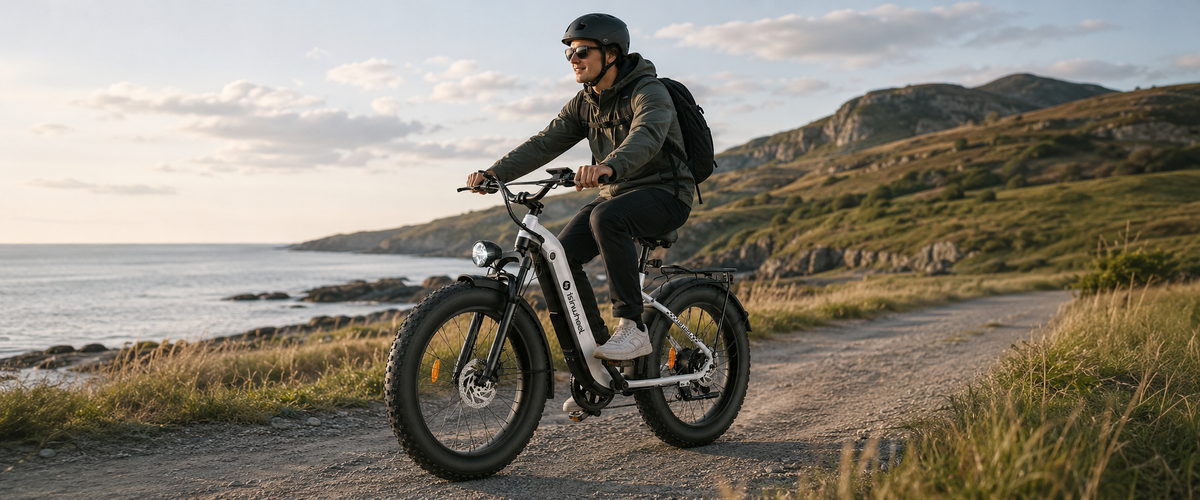
The isinwheel Monster is built with a powerful motor and dual fat tires, which makes it a solid option for athletes who want to explore trails on an easy-effort day without worrying about terrain. For riders who want a more balanced option that handles both pavement and light off-road paths, the isinwheel R8 offers a long range, which is helpful for longer, low-intensity rides that double as active recovery. Athletes who prefer a lighter, retro-styled ride for shorter warm-up loops around the block might look at the isinwheel R6 Pro, which is easy to handle at low speeds while still offering more power when needed.

The right choice depends less on specs and more on how and where an athlete plans to ride.
Practical Tips for Adding an E-Bike to Training
A few simple habits make e-bike cross-training more effective:
- Keep effort conversational on recovery days this isn't the time to chase speed.
- Use higher pedal-assist levels on hard training days and lower levels when legs need a break.
- Ride outdoors when possible; sunlight and fresh air add mental recovery benefits too.
- Treat e-bike sessions as a supplement to training, not a replacement for sport-specific work.
The Bottom Line: A New Tool in the Athlete's Kit
E-bikes aren't a replacement for structured training, but they fill a real gap. They give athletes a low-impact way to warm up without draining energy, recover without sitting still, and cross-train without adding stress to joints that are already working hard. For runners, lifters, and team-sport athletes alike, a well-chosen e-bike can become a quiet but useful part of a smarter training week.
What Athletes Want to Know About Training with E-Bikes
Is riding an e-bike a good warm-up before a workout?
Yes, a short, easy e-bike ride raises heart rate and blood flow without tiring the legs before the main session.
Can e-bikes help with active recovery?
Light, conversational-pace riding is a well-supported form of active recovery that helps reduce soreness compared to complete rest.
Do e-bikes count as cardio training?
Yes, though the intensity depends on pedal-assist level; lower assist levels require more rider effort and raise heart rate more.
Are e-bikes hard on the joints?
No, pedaling on an e-bike is a low-impact motion, making it gentler on knees and hips than running or jumping sports.
How often should athletes use an e-bike for cross-training?
Most athletes benefit from one to three easy rides per week, depending on their overall training load.
Share:
Why Choose an Electric Cargo Tricycle? 7 Reasons the iSinwheel Ucargo Is Built for Practical Everyday Riding
How isinwheel Could Fit Into the Rise of Urban Adventure Sports