




What's the Best Way to Pick an Electric Dirt Bike?
The right iSinwheel electric dirt bike isn't the one with the biggest numbers on the spec sheet it's the one that matches how, where, and how often you actually plan to ride. A rider doing short backyard laps needs something very different from a rider covering miles of backcountry trail. Instead of starting with a specific model, it helps to start with four questions: how experienced are you, what terrain will you ride, how far do you need to go, and what's your budget? Once you answer those, the right bike usually becomes obvious.
Start With Your Experience Level
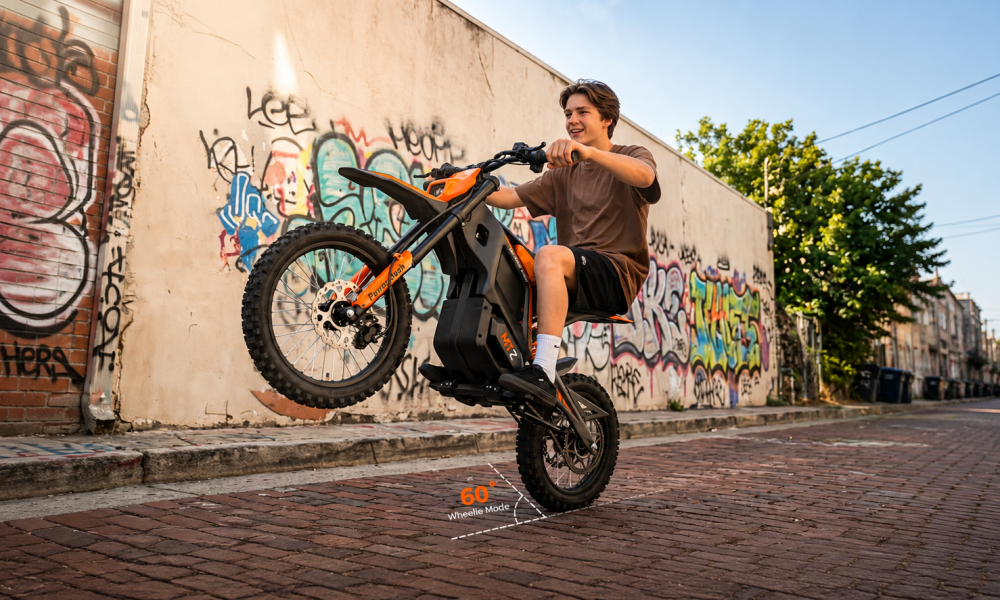
If you're new to electric dirt bikes, easier handling matters more than raw power. A bike with a lower top speed and simpler controls lets you build confidence before pushing into higher speeds or rougher terrain. The iSinwheel Monster is a good example its compact 14"/12" tire setup and 35 MPH top speed make it approachable for teens and first-time riders, while still delivering real off-road capability.

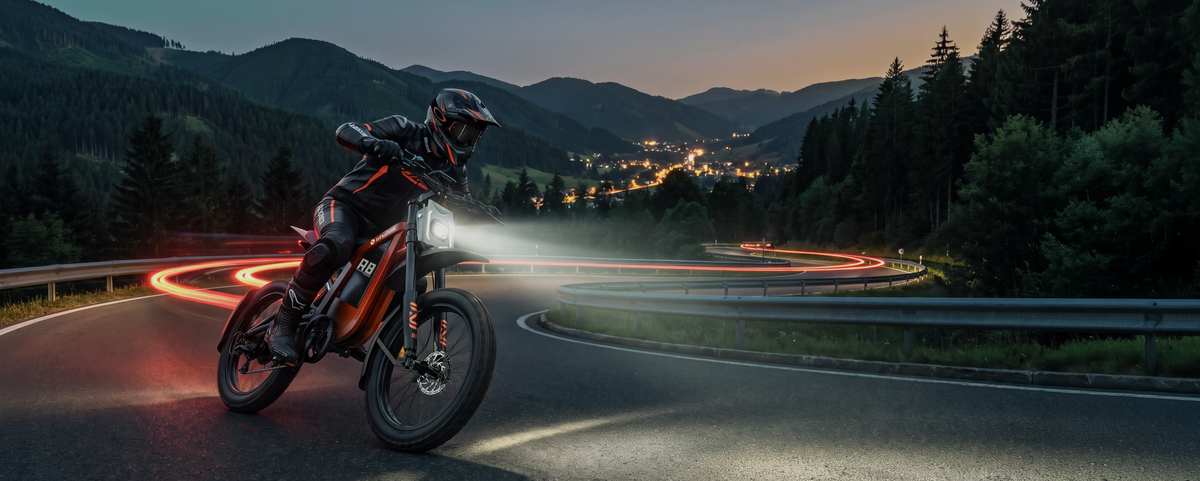
More experienced riders who already know how to handle throttle response and higher speeds can look at something like the iSinwheel Monster Pro, which reaches up to 50 MPH thanks to a 5,000W peak mid-drive motor. Before deciding between the two, iSinwheel's Monster vs. Monster Pro comparison is worth reading it breaks down exactly how the two models differ in power and handling.

Quick Self-Check
If you've never ridden a dirt bike or e-bike before, lean toward lower speed and simpler controls. If you're comfortable with higher power delivery, a full-size model will feel more rewarding.
Think About Where You'll Actually Ride
Terrain changes what matters most in a bike. Tight neighborhood trails or backyard tracks favor a smaller, lighter bike that's easy to maneuver, like the Monster. Wide-open trails, hills, and looser dirt call for larger tires and stronger suspension, which is where the Monster Pro's 17"/14" knobby tires and hydraulic suspension front and rear really help.
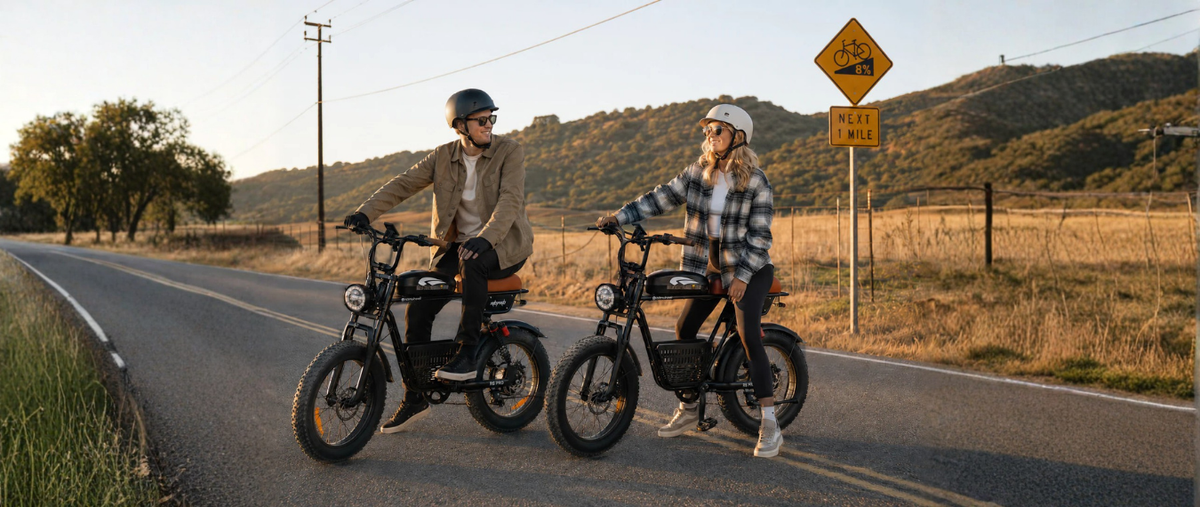
If your rides mix pavement and dirt commuting during the week, trail riding on weekends a pedal-assist model like the iSinwheel R8 offers more flexibility. Its 19"x3" motorcycle-style tire handles mixed surfaces well, and the option to pedal makes it more efficient on longer, varied routes. iSinwheel's guide on pedal-free vs. pedal-assist electric dirt bikes goes deeper into which setup suits different terrain.

Quick Self-Check
Short, tight trails favor a compact bike. Long, mixed, or hilly routes favor larger tires, more suspension travel, and possibly pedal-assist.
Match Range to How Far You Actually Ride
It's easy to assume more range is always better, but it also usually means a heavier battery and a higher price. Be honest about your typical ride distance. If you're doing short loops close to home, the Monster's shorter range is plenty. If you're planning longer weekend outings, the Monster Pro's 70-mile range gives you more room before needing a recharge.
For riders who want the most range without moving into a full-power dirt bike, the iSinwheel R8 stands out with up to 80 miles per charge, largely because pedal-assist reduces how hard the motor has to work. If comfort over mixed terrain matters as much as range, the iSinwheel R6 Pro offers a solid middle ground at up to 51 miles, with wide 20"x4" fat tires that soften bumps on longer rides.

Quick Self-Check
Match the battery to your actual routine, not your ideal weekend. Most riders use far less range day-to-day than a bike's maximum rating.
Factor in Budget and Long-Term Use
Price differences between these models usually track directly with motor power, battery size, and tire setup. The Monster and R6 Pro sit at a more accessible price point, making them a practical entry into electric dirt bikes. The Monster Pro costs more but delivers meaningfully more power, range, and off-road capability worth it if you'll genuinely use that extra performance. The R8 lands in between, offering strong range without the highest price tag in the lineup.
It also helps to think beyond the purchase price. A bike that matches your skill level and typical terrain will get ridden more often and hold up better over time than one that's more powerful than you actually need.
Choosing With Confidence: Your Riding Style Is the Real Spec Sheet
There's no universal "best" electric dirt bike only the one that fits how you actually plan to ride. Start with your experience level, be realistic about your terrain, match the range to your routine, and let your budget guide the rest. Whether that points you toward the compact Monster, the high-power Monster Pro, the long-range R8, or the comfortable R6 Pro, the right choice is the one you'll want to ride every weekend.
What Riders Want to Know Before Buying
Is a more powerful electric dirt bike always the better choice?
No more power usually means a higher price and a steeper learning curve, so it's only worth it if you'll actually use that extra performance.
Can beginners start with a full-power model like the Monster Pro?
Beginners can ride it, but a lower-power model is generally easier to learn on before moving up.
Does pedal-assist actually make a noticeable difference in range?
Yes pedaling reduces the load on the motor, which is a big reason models like the R8 achieve longer range per charge.
How much does terrain really affect which bike I should choose?
Quite a bit tighter, technical trails favor smaller bikes, while open or hilly terrain benefits from larger tires and more suspension travel.
Should I buy based on top speed alone?
No top speed matters less than how the bike handles your typical terrain, distance, and your own comfort level.
Share:
Best iSinwheel Electric Dirt Bikes for Off-Road Adventures: Monster vs. Monster Pro vs. R8 vs. R6 Pro
Electric Dirt Bike Battery Guide: How to Maximize Range, Charging Time, and Riding Performance